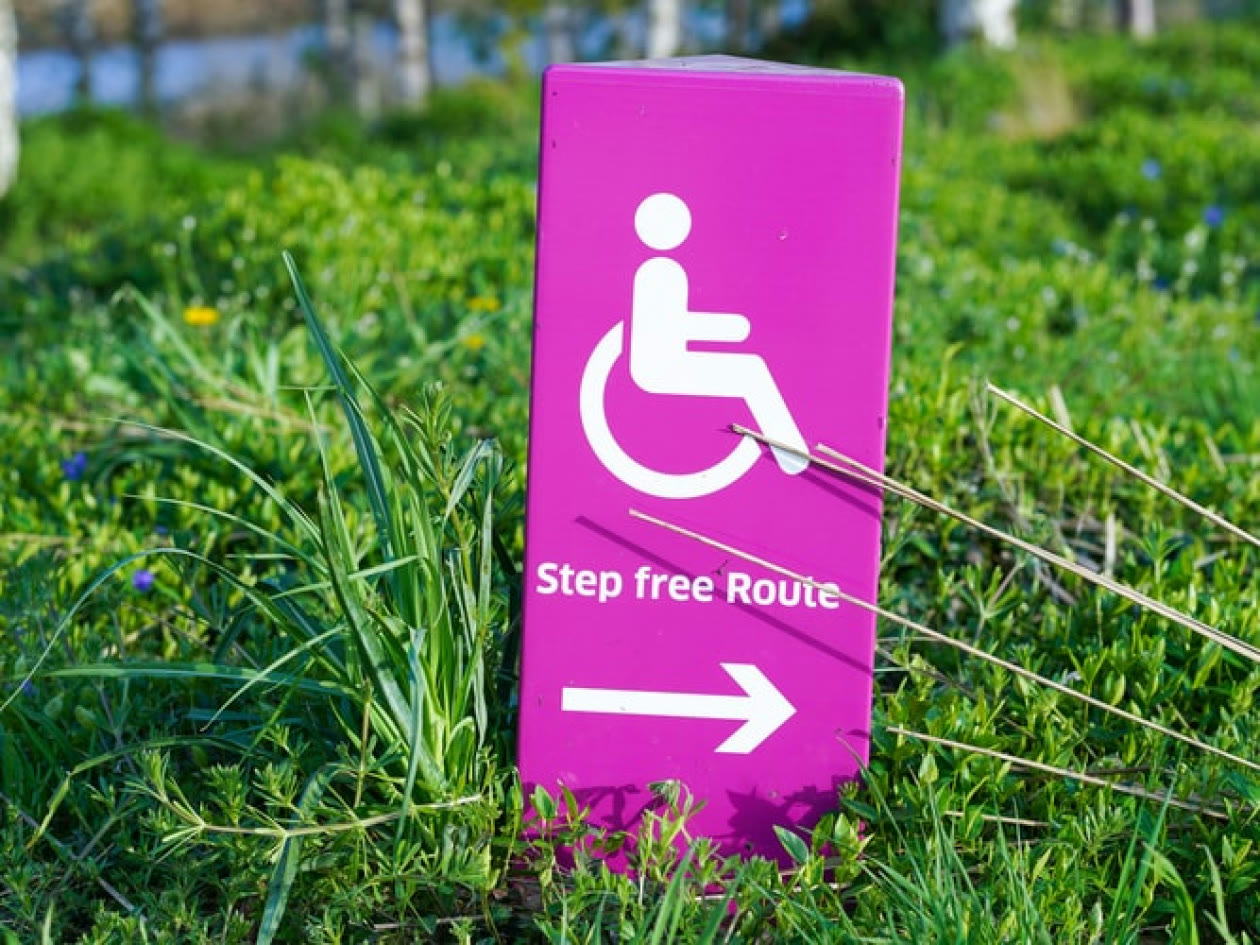
There's a lift. There's a ramp. There's a hearing loop sign on the lecture theatre door. Box ticked, right?
Not quite.
The lift exists, but it's tucked behind a fire door in a corridor you'd never find unless someone told you. The ramp is there, but it deposits you at a side entrance that's locked after 5pm. The hearing loop? No one's tested it in years.
Compliant but Not Accessible
This is the gap between technical compliance and actual usability. Buildings can meet legal requirements and still be genuinely difficult to navigate for disabled students, staff, and visitors.
Students across UK universities report the same friction points. Lecture recordings with inaudible audio. "Accessible" seating that means sitting alone at the front. Quiet study spaces that don't exist or aren't enforced. Lifts that break down for weeks. Staff who don't know how to turn on the accessibility features in their own rooms.
Tick the Box, Miss the Point
Annual surveys catch a sliver of this. They reach the people who already have time and energy to fill them in — rarely the people most affected.
What's missing is continuous, low-friction feedback from the people who actually use a space, in the moment they're using it.
What Better Looks Like
Imagine a campus where every space had a live picture of who it works for and who it doesn't. Where the estates team knew which lift was unreliable before a complaint became a formal grievance. Where access wasn't an annual report but a daily signal.
That's what we're building.