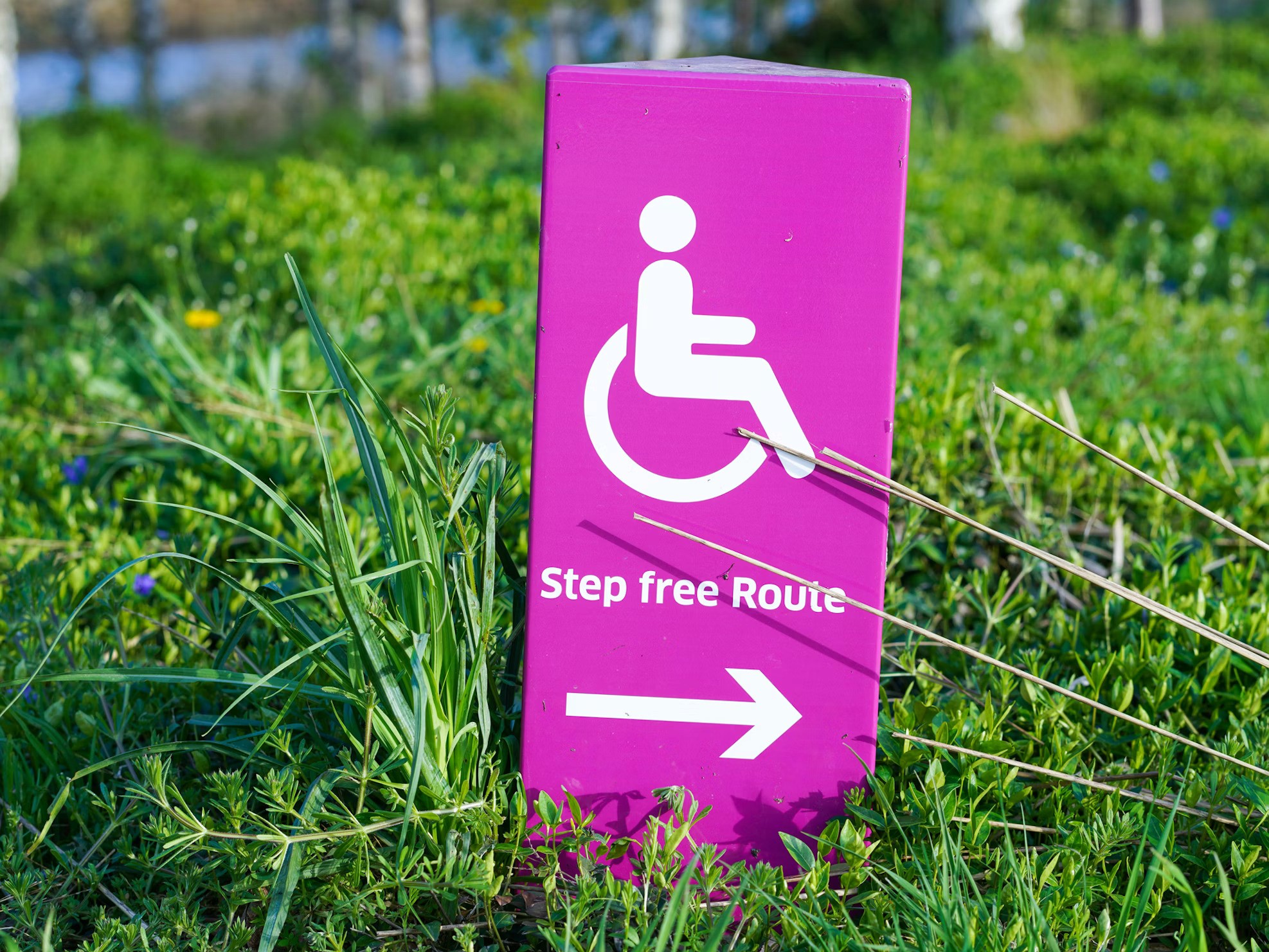
Designed for Some, Better for All
1 minute read
Published Dec 29, 2025

Why Inclusive Design Wins
In the 1970s, disability activists in Berkeley, California fought for small ramps to be cut into pavements at crossings. The idea was simple: wheelchair users couldn't navigate a city designed entirely around steps.
What happened next was unexpected. Parents with pushchairs started using them. Delivery workers with trolleys. Travellers with suitcases. Cyclists. People with temporary injuries. Elderly people who found steps difficult.
A design created for a specific disability turned out to help everyone.
This is called the Curb Cut Effect, and it shows up everywhere once you start looking.
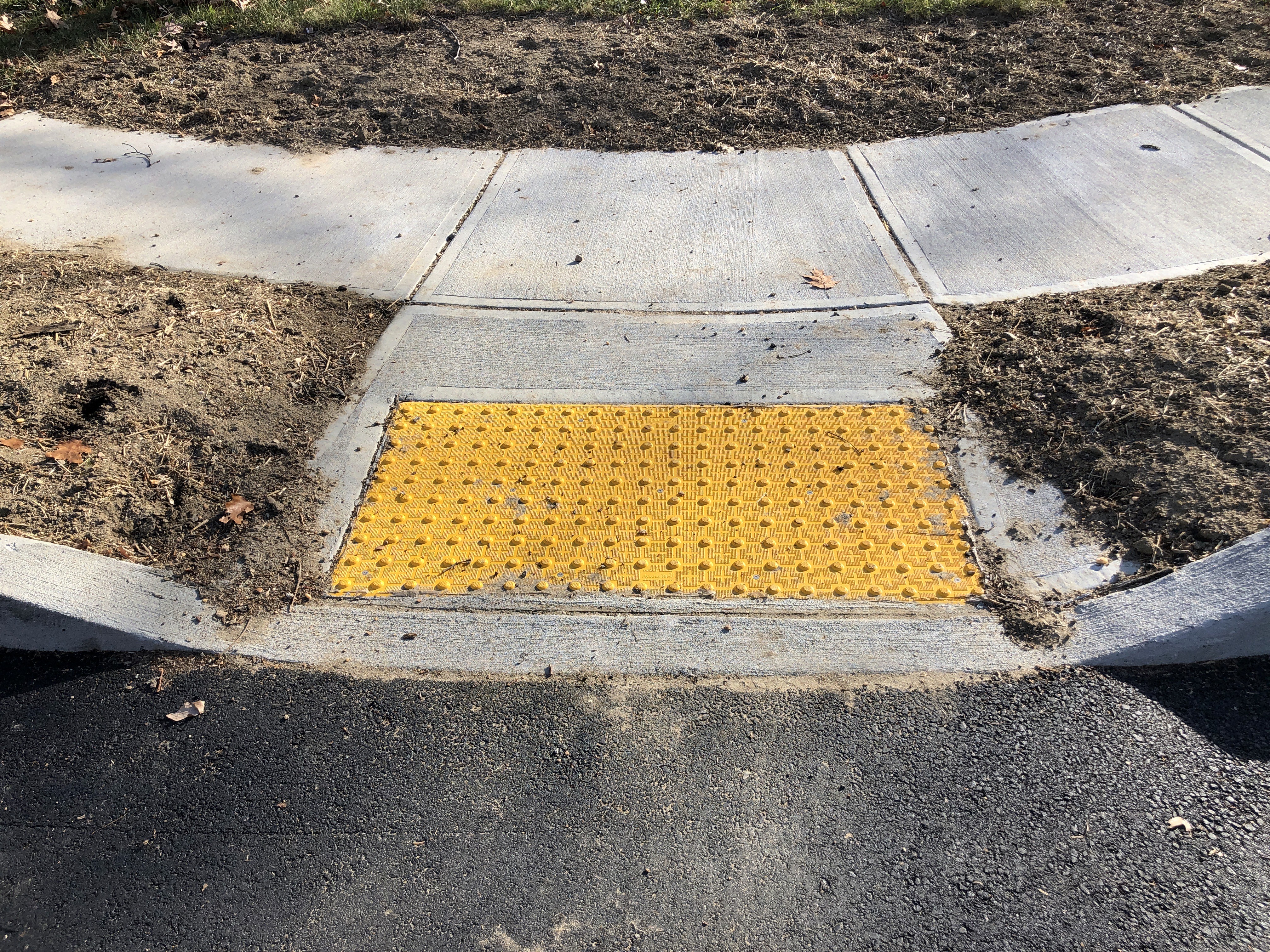
The Curb Cut Effect
Closed captions were developed for deaf and hard of hearing viewers. Now they're used by people watching videos in noisy environments, language learners, and anyone scrolling social media with the sound off.
Voice control technology was designed for people who couldn't use keyboards. Now millions of people talk to Siri and Alexa every day.
Automatic doors were an accessibility feature. Now they're just... doors.
The pattern is consistent. When we design for people at the margins, we create solutions that improve life for everyone. This flips the usual conversation. Accessibility isn't about compliance or charity. It's about better design, full stop.
Universities and Institutions that invest in genuine accessibility, not just ramps and lifts, but flexible learning, clear communication, navigable spaces, and systems that actually listen to disabled students, don't just serve those students better. They serve everyone better.
The question isn't "how do we accommodate disabled people?" It's "what are we missing by not including them from the start?"
Keywords: curb cut effect, universal design benefits, inclusive design examples, accessibility innovation, disability drives design, why accessibility matters, designing for disability helps everyone, inclusive campus design
More