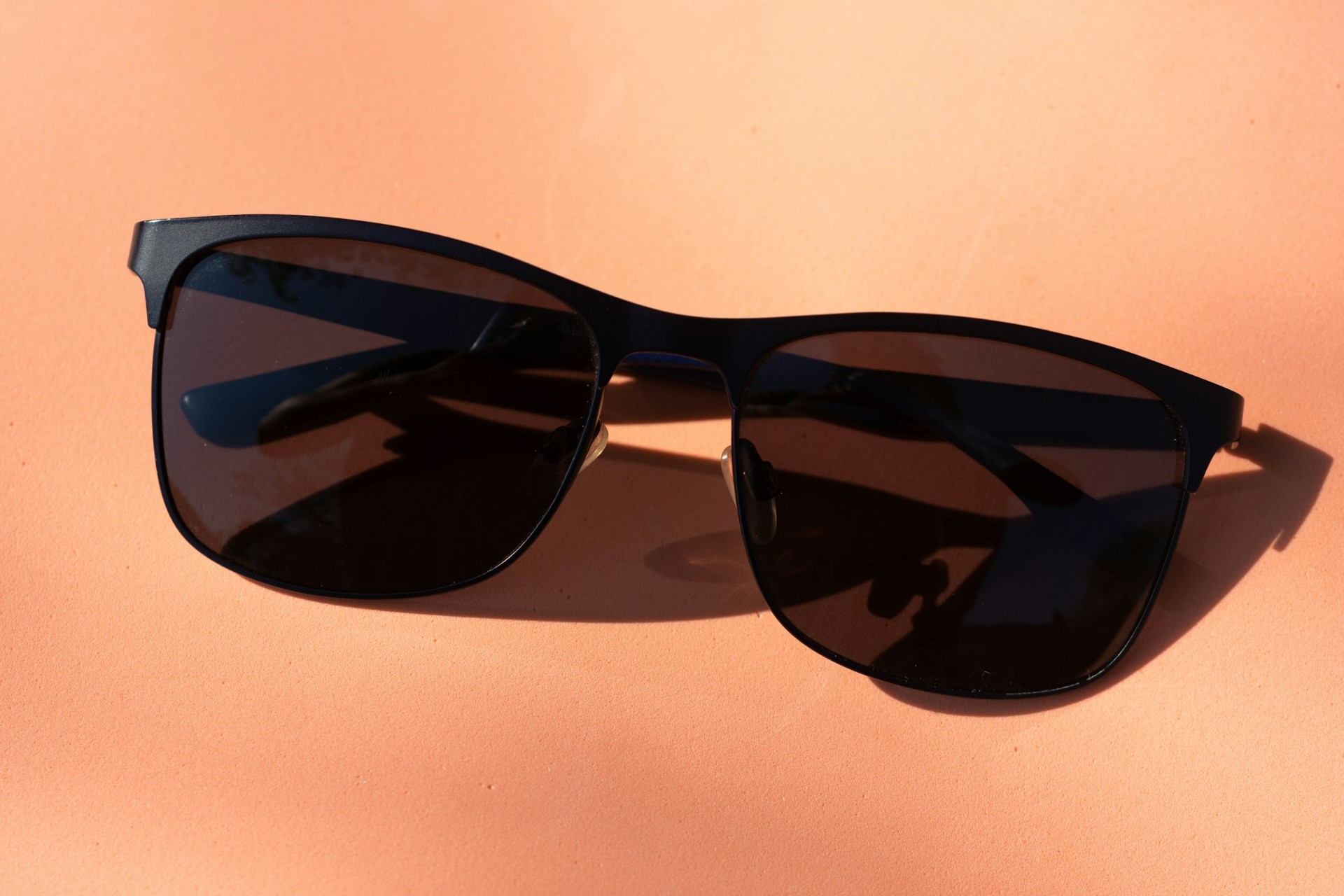
People ask me, sometimes nicely and sometimes not, why I wear sunglasses indoors.
The short answer is that bright indoor light exhausts me.
The longer answer is that sunglasses are tinted and reduce the amount of light entering the eyes. One of their benefits is that they soften every wavelength of visible light at once: red, blue and green. These wavelengths occur in the strip lighting in a lecture theatre, the LED panels in an office, the fluorescents in a hospital corridor, and it all leaves me with the throbbing of a headache before I've even sat down.
For a long time, I didn't have the language for what I was experiencing. I just knew that certain rooms left me drained before I'd done anything at all.
So, if you've ever wondered whether indoor lighting could really affect the way you think or feel, the answer is a resounding yes. There's even a name for it: light sensitivity, sometimes called photophobia. It's a common experience amongst people with autism, people that experience migraines, an effect of concussions, long COVID, chronic pain conditions and a range of other neurological conditions.
Sensory sensitivity to light often hides in plain sight because the environments causing it are considered "normal." Sunglasses for light sensitivity are, for a lot of us, less of a fashion choice and more of a coping tool we reach for so we can keep thinking.
What Light Sensitivity Actually Feels Like
For me, I have both autism and a neurological disorder that causes seizures. Bright light can make me feel confused, anxious and overwhelmed. In practice, that means I often cannot concentrate on anything else around me at all, because the harshness of the light takes up all of my available attention. The closest equivalent I can think of is trying to hold a conversation with your friend while forcing yourself to stare at the sun and not look away.
Life Before My Sunglasses
Life before my sunglasses was, typically, days of intense fatigue and a great sense of loss. I often felt that I lost days of productivity every time I entered the university building and had to sleep instead of study. The big contrast between natural and artificial light immediately caused drowsiness and a low mood for me.
That sense of loss followed me into lecture theatres. The bright light meant I could not concentrate on what the lecturers were saying, and I was missing out on the material, and on the smaller things too, like getting to know my lecturers and classmates.
Life With Sunglasses
The sunglasses have significantly improved my ability to concentrate and not feel so overwhelmed. In fact, it's honestly shocking how much difference such a simple change has made. They have also become a visible symptom of an invisible disability, which has made conversations around accessibility much less awkward for me. People ask, and I get to answer on my own terms.
Do People Judge Me For Wearing Sunglasses Inside?
There’s a bit of a social cost to wearing sunglasses indoors. You’re often read as rude, aloof, hungover, or like you’re trying too hard to be mysterious or interesting. It sometimes changes how people speak to you, whether they take you seriously, whether they assume you're even paying attention.
Which is the irony, really, because the sunglasses are often the only reason you can pay attention at all.
Not all buildings are designed with the full range of human needs in mind. People adapt constantly. They choose the right seat, bring or wear the right things (like sunglasses!), avoid certain rooms, leave early, push through discomfort, or spend the whole day managing an environment that was never supposed to be comfortable for them.
What Better Buildings Look Like – And How Cicely Helps
A lot of people are using a huge amount of mental energy just to get through spaces that other people move through without thinking. At Cicely, we’re building technology that gives people more of a say in the environments they use every day. We help people share their opinion of what the space actually feels like to them, and we help organisations turn that lived-experience into evidence they can use to make better decisions for all the people using their spaces.
What we would love to see are brightness metrics and reviews that are crowd-sourced across the buildings people navigate through every day, so that the building managers can start seeing where lighting and other sensory factors are creating barriers. That evidence could help direct investment towards adjustable lighting, especially zone-specific lighting in larger rooms and theatres. Currently, one switch decides the conditions for hundreds of very different nervous systems.
Here at Cicely, we fervently believe everyone should have the right to feel comfortable in a space. To enter it, and to use it, enjoy it and belong in it, across the full diversity of people who are there.
If you take one thing from this article, take this: if bright light exhausts you, that is real, it is common, and it is not on you to constantly absorb the cost.
The sunglasses helped me, but better-designed rooms would help all of us.